
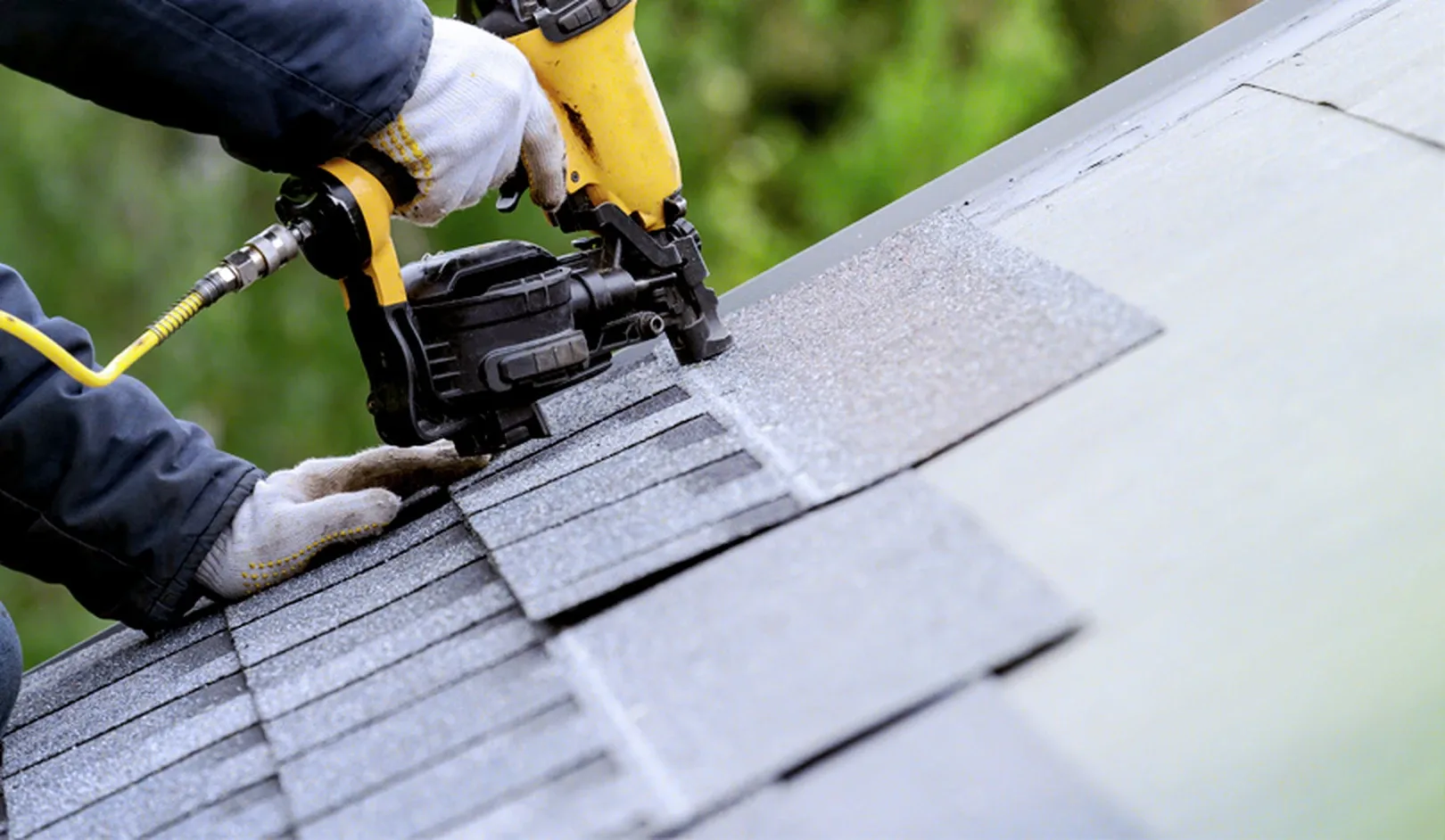
Before installing solar panels, homeowners must evaluate their roofs for potential issues. Signs of aging and wear can greatly impact the effectiveness of solar energy systems. Common indicators include missing shingles, frequent leaks, and structural problems. These factors not only affect performance but also pose safety risks. Understanding these signs is essential for making informed decisions. What specific signs should one look for to guarantee a solid foundation for solar investment?
Key Takeaways
- Curling or missing shingles indicate roof deterioration, compromising stability for solar panel installation.
- Frequent leaks or water damage can undermine roof integrity and increase repair costs.
- Visible cracks or rot in the roof framework suggest structural weaknesses, posing safety risks.
- Granule loss and discoloration on shingles signal aging materials that may not support solar weight.
- Local weather conditions, like high humidity and intense sun, can accelerate roof wear, necessitating replacement.
Signs of Aging and Wear on Your Roof
The roof serves as the primary shield against the elements, and its condition is essential for the overall integrity of a home. Homeowners contemplating solar panel installation must critically assess the state of their roof. Signs of aging, such as curling shingles, granule loss, and visible discoloration, can indicate deterioration that may necessitate replacement. If these indicators are present, the question, “do I need to replace roof before solar panels?” becomes paramount. An aging roof may not support the weight and installation of solar panels, leading to potential complications. Investing in a new roof before solar panel installation not only enhances energy efficiency but also guarantees long-term stability and peace of mind for homeowners, fostering a sense of belonging to a well-maintained community.
Frequent Leaks or Water Damage
When homeowners notice frequent leaks or signs of water damage, it raises immediate concerns about the integrity of their roof. Such issues not only compromise the roof’s structural stability but can also lead to extensive interior damage, mold growth, and increased repair costs. Before contemplating the installation of solar panels, it is essential to address these leaks and water-related problems. Solar panels require a solid, leak-free foundation to guarantee peak performance and longevity. Investing in a roof replacement when faced with frequent leaks safeguards both the home and the solar investment. Ultimately, understanding the answer to “do I need to replace roof before solar panels” becomes clear: addressing water damage is critical for a successful solar energy change.
Missing or Damaged Shingles
Frequent leaks and water damage often indicate broader issues with a roof’s integrity, leading homeowners to examine other potential problems such as missing or damaged shingles. Identifying these issues is essential before considering the installation of solar panels, as compromised shingles can affect both performance and longevity. Homeowners should look for:
- Shingles that are curled or buckled
- Cracked or broken shingles
- Missing granules on the surface
- Shingles that are completely missing
- Discoloration or staining on shingles
Addressing these signs guarantees a stable foundation for solar panel installation. Consequently, before asking “do I need to replace roof before solar panels,” evaluating the condition of shingles is critical for both safety and efficiency.
Structural Issues With Roof Framework
Structural integrity is paramount when considering the installation of solar panels. A roof’s framework must adequately support the added weight and stress imposed by solar panel systems. Homeowners should look for signs of sagging, cracks, or rot in the rafters and trusses, as these indicate potential structural weaknesses. If the roof’s support system is compromised, it could lead to costly damage or even safety hazards in the future. Additionally, out-of-date materials may not conform to current building codes, further exacerbating the risk. Consequently, addressing structural issues before asking, “Do I need to replace roof before solar panels?” is essential for ensuring a secure, long-lasting installation. Prioritizing roof integrity fosters peace of mind and enhances the overall value of the home.
Local Weather Conditions and Roof Longevity
Local weather conditions play an essential role in determining the longevity of a roof, influencing its ability to support solar panels effectively. Homeowners must evaluate how their local climate can affect roof integrity before installation. Here are key factors to take into account:
- Temperature fluctuations: Extreme heat or cold can cause materials to expand and contract, leading to cracks.
- Precipitation levels: Frequent rain or snow increases wear, potentially resulting in leaks.
- Wind exposure: High winds can lift shingles, compromising the roof’s surface.
- Humidity: High humidity promotes mold and decay, weakening the roof structure.
- Sun exposure: Intense UV rays can deteriorate roofing materials over time.
Understanding these factors is essential to answering the question: “Do I need to replace my roof before solar panels?”
Frequently Asked Questions
How Long Do Solar Panels Typically Last on a Roof?
Solar panels typically last around 25 to 30 years, depending on the quality and maintenance. Homeowners can maximize efficiency by ensuring their roofs are in good condition, ultimately enhancing the longevity of their solar investment.
Can I Install Solar Panels on a Flat Roof?
Yes, solar panels can be installed on a flat roof, provided proper mounting systems are utilized. This guarantees ideal angle for sunlight exposure, enhancing energy efficiency and maximizing the benefits of solar energy collection.
What Roofing Materials Are Best for Solar Panel Installation?
Metal, asphalt shingles, and tile are the best roofing materials for solar panel installation. They offer durability and longevity, ensuring ideal support for solar systems, while enhancing the overall aesthetic and functionality of one’s home.
Will Replacing My Roof Increase My Home’s Value?
Replacing a roof can markedly increase a home’s value, as it enhances curb appeal, improves energy efficiency, and reduces future maintenance costs. Homebuyers often favor updated roofs, making the investment financially beneficial in the long run.
How Much Does It Cost to Replace a Roof Before Solar Panels?
Replacing a roof typically costs between $5,000 and $15,000, depending on materials and labor. This investment is essential for ensuring a sturdy foundation for solar panels, maximizing efficiency and potential long-term savings on energy bills.
Conclusion
In summary, evaluating your roof’s condition is essential before investing in solar panels. Signs of aging, frequent leaks, missing shingles, structural issues, and adverse local weather conditions are critical indicators that a roof replacement may be necessary. Addressing these concerns not only guarantees the integrity and safety of your home but also maximizes the efficiency and longevity of your solar energy system. Making informed decisions now will lead to a more sustainable and cost-effective energy solution in the future.
You May Also Like to Read: