
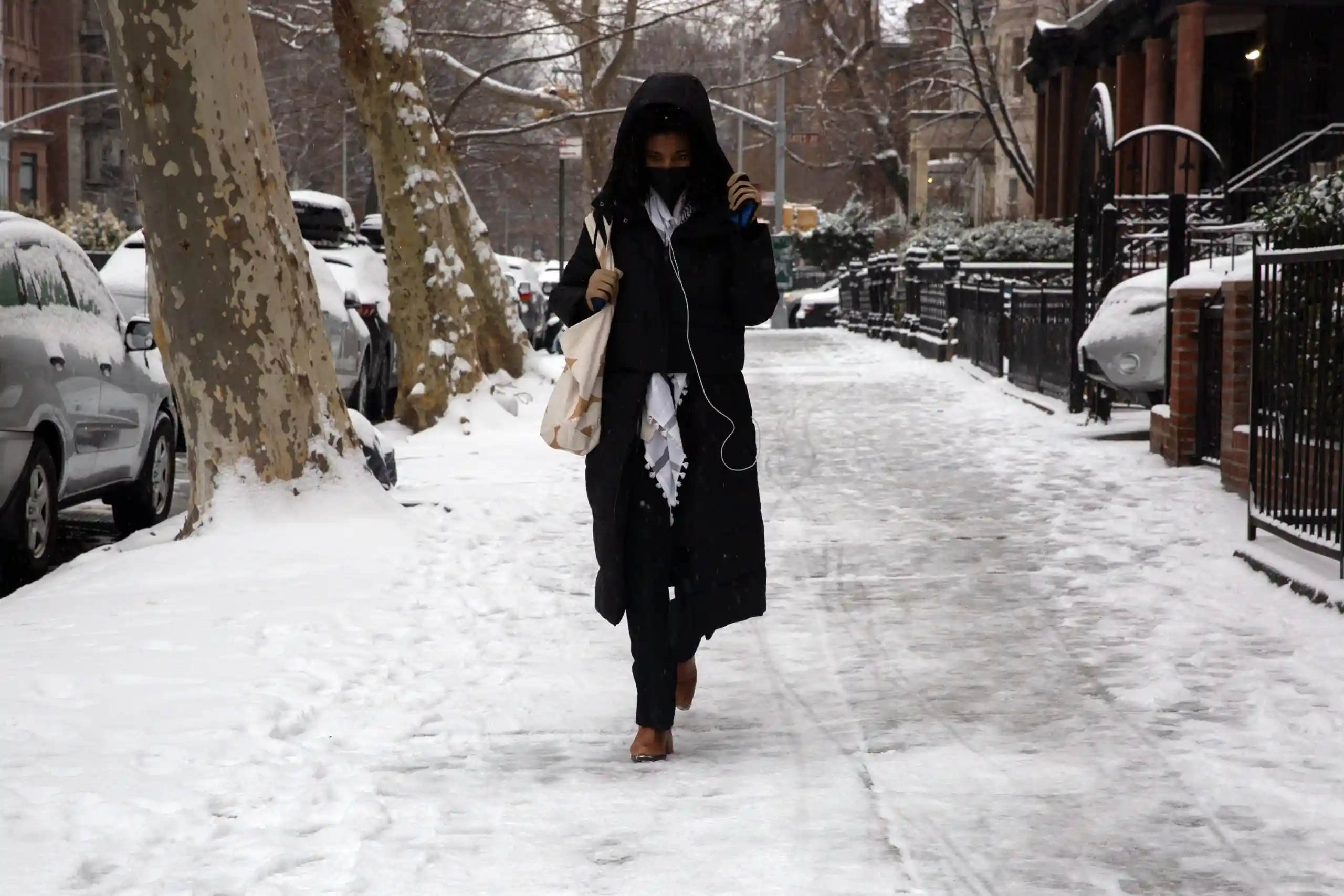
As winter sets in, maintaining clear sidewalks becomes essential for everyone’s safety. Snow-covered walkways can obscure hazards and create slippery conditions that lead to injuries. This is especially important for athletes and pedestrians who rely on safe routes for their activities. Understanding the risks associated with neglecting snow removal can help you appreciate the impact of clear pathways. Let’s explore the strategies for effective snow removal and the broader benefits for community health.
Key Takeaways
- Clear sidewalks prevent slips and falls, particularly benefiting vulnerable groups like children and the elderly, ensuring safer navigation for all pedestrians.
- Maintaining snow-free pathways enhances visibility, allowing pedestrians and athletes to navigate without hidden hazards that could lead to accidents.
- Regular snow removal encourages outdoor physical activity, fostering a healthier lifestyle for athletes and promoting community engagement among residents.
- Accessible sidewalks minimize the need for pedestrians to venture into streets, reducing the risk of vehicle collisions and enhancing overall safety.
- Utilizing de-icing agents on cleared pathways further prevents ice formation, decreasing the chance of injuries and promoting a safer environment for everyone.
The Importance of Keeping Sidewalks Clear in Winter
When winter blankets your neighborhood in snow, keeping sidewalks clear isn’t just a matter of aesthetics—it’s essential for safety. You might think a little snow won’t hurt, but consider this: what are the risks of not removing snow from sidewalks? Slips and falls become increasingly common, especially for children and the elderly. Ice can form beneath the snow, creating hidden hazards that lead to serious injuries. Plus, blocked sidewalks can force pedestrians into the street, increasing the risk of accidents with vehicles. By clearing your sidewalks, you contribute to a safe environment, fostering community well-being. Everyone deserves to navigate their neighborhood without fear of falling or getting hurt, so let’s work together to keep our paths safe this winter!
Common Hazards Associated With Snow-Covered Walkways
Snow-covered walkways can pose significant hazards that affect everyone who uses them. When snow accumulates, it creates hidden dangers that can lead to injuries. Here are three common hazards you should be aware of:
- Slips and Falls: Icy patches beneath the snow can catch you off guard, leading to serious injuries.
- Reduced Visibility: Snow can obscure edges and curbs, making it hard to navigate safely, especially at night.
- Obstructed Pathways: Accumulated snow can narrow walkways, forcing pedestrians into streets where they’re at risk from traffic.
What Are the Risks of Not Removing Snow From Sidewalks?
Neglecting to remove snow from sidewalks can lead to a host of dangers that impact everyone using those pathways. Slips and falls are among the most common risks, especially for elderly individuals and children, who may sustain serious injuries. Unclear pathways can also create obstacles for athletes and pedestrians, limiting mobility and increasing frustration. Moreover, snow accumulation can obscure visibility, making it difficult for drivers to see pedestrians, further heightening the risk of accidents. Additionally, untreated snow can turn into ice, creating even more hazardous conditions. By understanding these risks, you foster a safer community for everyone. Taking action to clear sidewalks not only protects individuals but also promotes a sense of belonging and care within your neighborhood.
Strategies for Effective Snow Removal
To guarantee safe and accessible sidewalks during winter, effective snow removal strategies are essential. You can create a safer environment for everyone by implementing these approaches:
- Regular Monitoring: Keep an eye on weather forecasts and snow accumulation, ensuring timely removal after each snowfall.
- Use Proper Equipment: Invest in quality shovels, snow blowers, or even hire professionals to clear the sidewalks effectively while minimizing physical strain.
- Apply De-icing Agents: Utilize salt or eco-friendly alternatives to prevent ice formation, making sidewalks safer for pedestrians and athletes alike.
Benefits of Snow-Free Sidewalks for Community Health and Safety
When sidewalks are kept clear of snow, everyone benefits from improved community health and safety. You’ll notice fewer slips and falls, which helps reduce injuries for both pedestrians and athletes. Clear pathways encourage more people to walk or run outside, promoting physical activity and mental well-being. Additionally, snow-free sidewalks foster a sense of community; when you see others out and about, it inspires connection and engagement. Local businesses thrive too, as customers feel safer traversing the streets. On the flip side, you might wonder, “What are the risks of not removing snow from sidewalks?” Increased accidents, decreased mobility, and isolation can take a toll on community health. Prioritizing snow removal is a simple yet impactful step toward a safer, healthier neighborhood.
Conclusion
Maintaining snow-free sidewalks isn’t just about aesthetics; it’s essential for safety and community wellness. By ensuring clear pathways, you reduce the risks of slips and falls, protect vulnerable individuals, and encourage outdoor activities. Plus, these clear routes support local businesses by making access safer for customers. Embracing effective snow removal strategies not only fosters a healthier environment but also strengthens community ties. Let’s prioritize winter wellness together—your efforts can make a significant difference!
You May Also Like To Read: